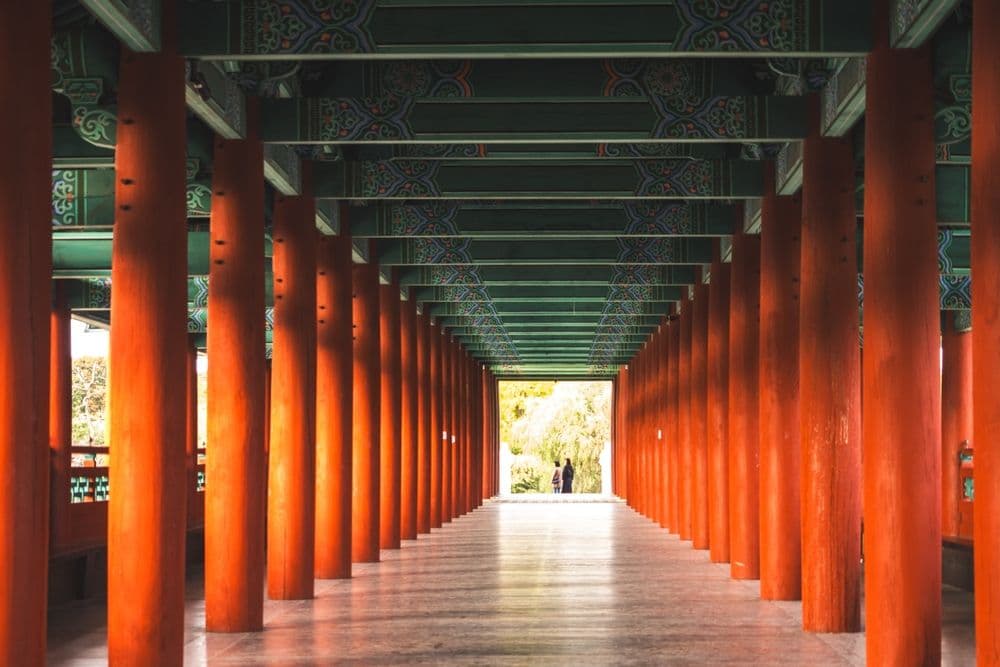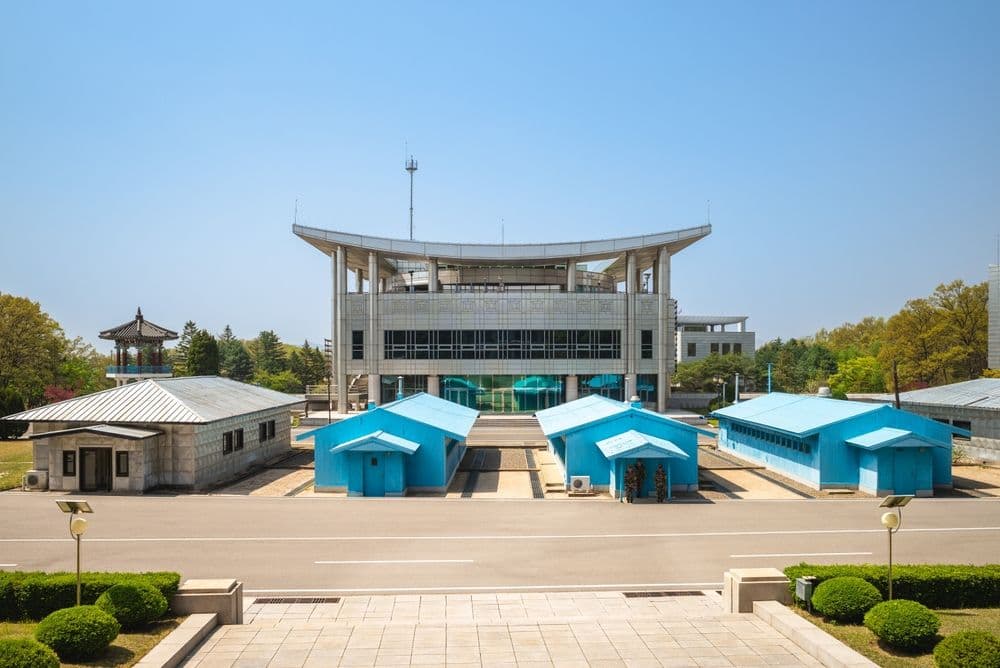
If you're dreaming of exploring the vibrant streets of Seoul, hiking through ancient mountains, or relaxing on beautiful beaches, you're probably wondering: when is the best time to visit Korea? As someone who loves sharing stories from Korea in English, I get this question all the time. Korea truly has four distinct seasons—even if things have shifted a bit with climate changes over the years, the country still feels the full cycle of spring blooms, summer rains, autumn colors, and winter snow.
It’s not a one-size-fits-all answer, but after looking at weather patterns, popular festivals, and traveler experiences, most people agree that spring and autumn shine the brightest for a comfortable, memorable trip. Summer’s monsoon (called “Jangma”) can make things tricky, and winter brings real cold, but each season has its own magic. Let me walk you through them step by step so you can decide what fits your travel style best.
ㅤㅤ
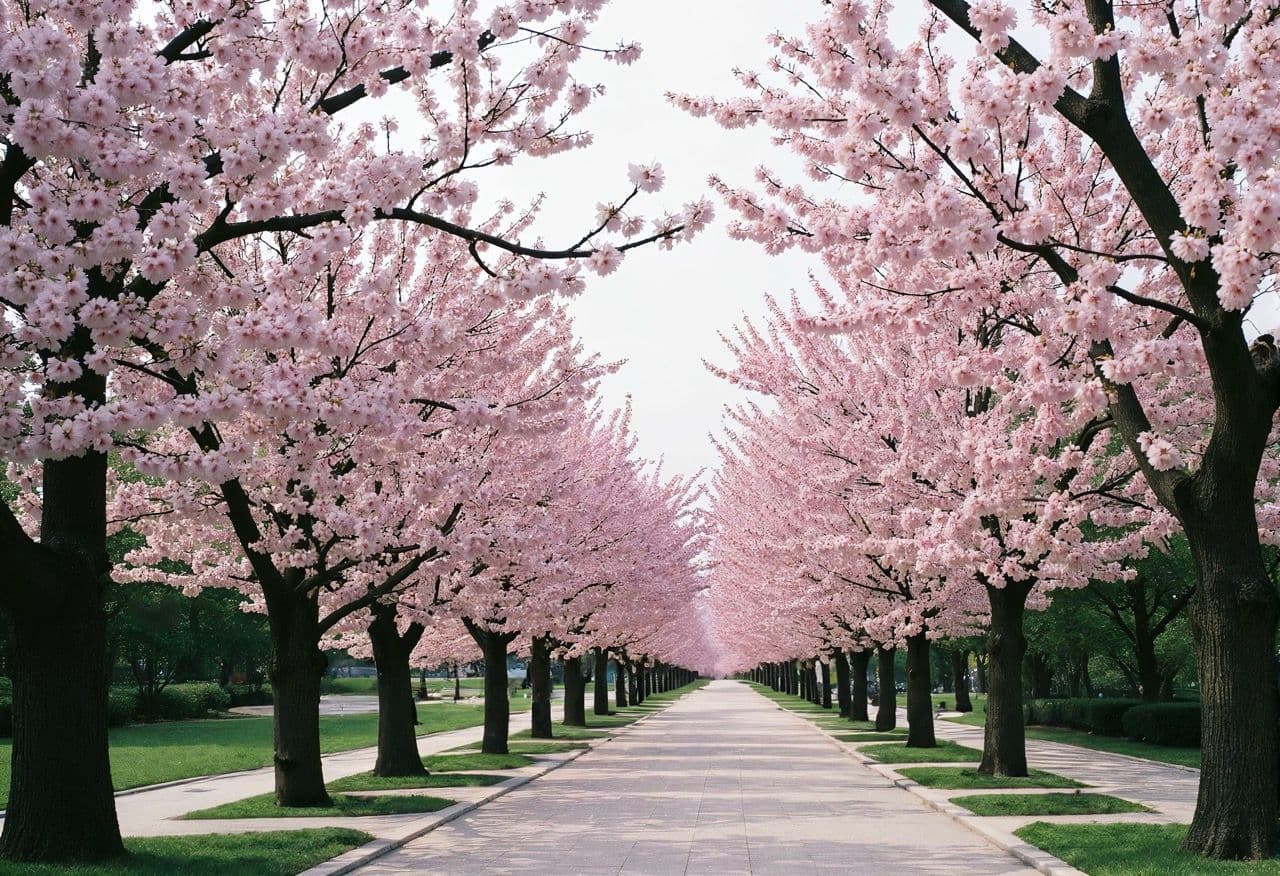
Spring in Korea (March to May) – The Season of Cherry Blossoms
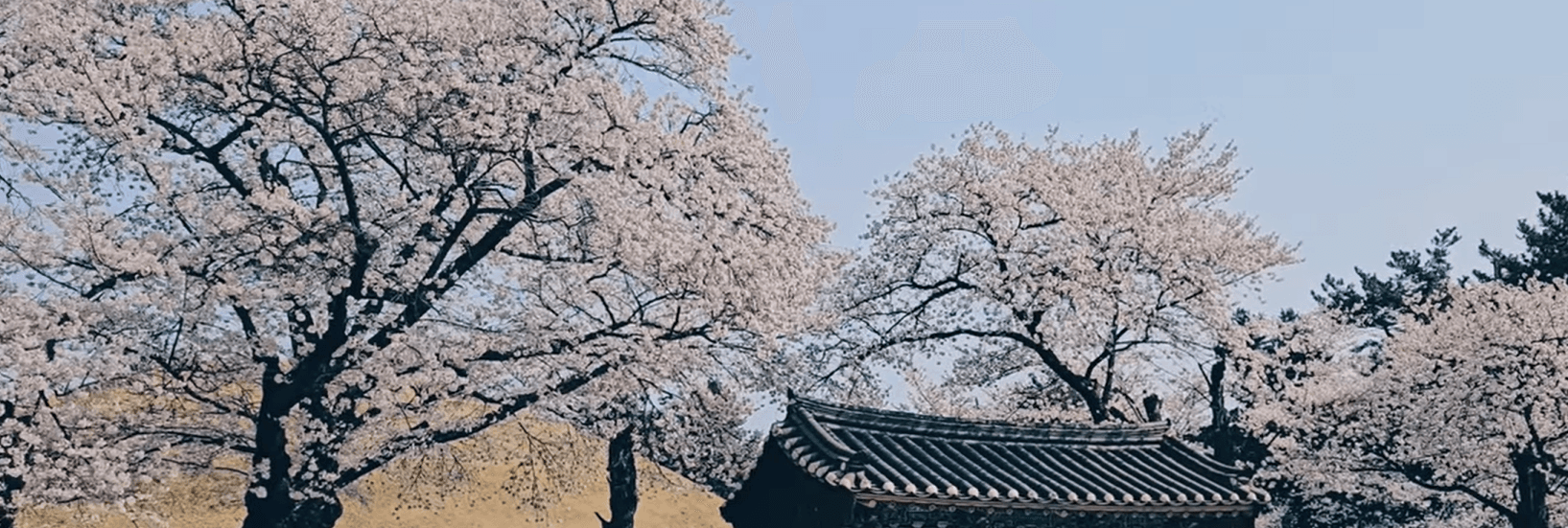
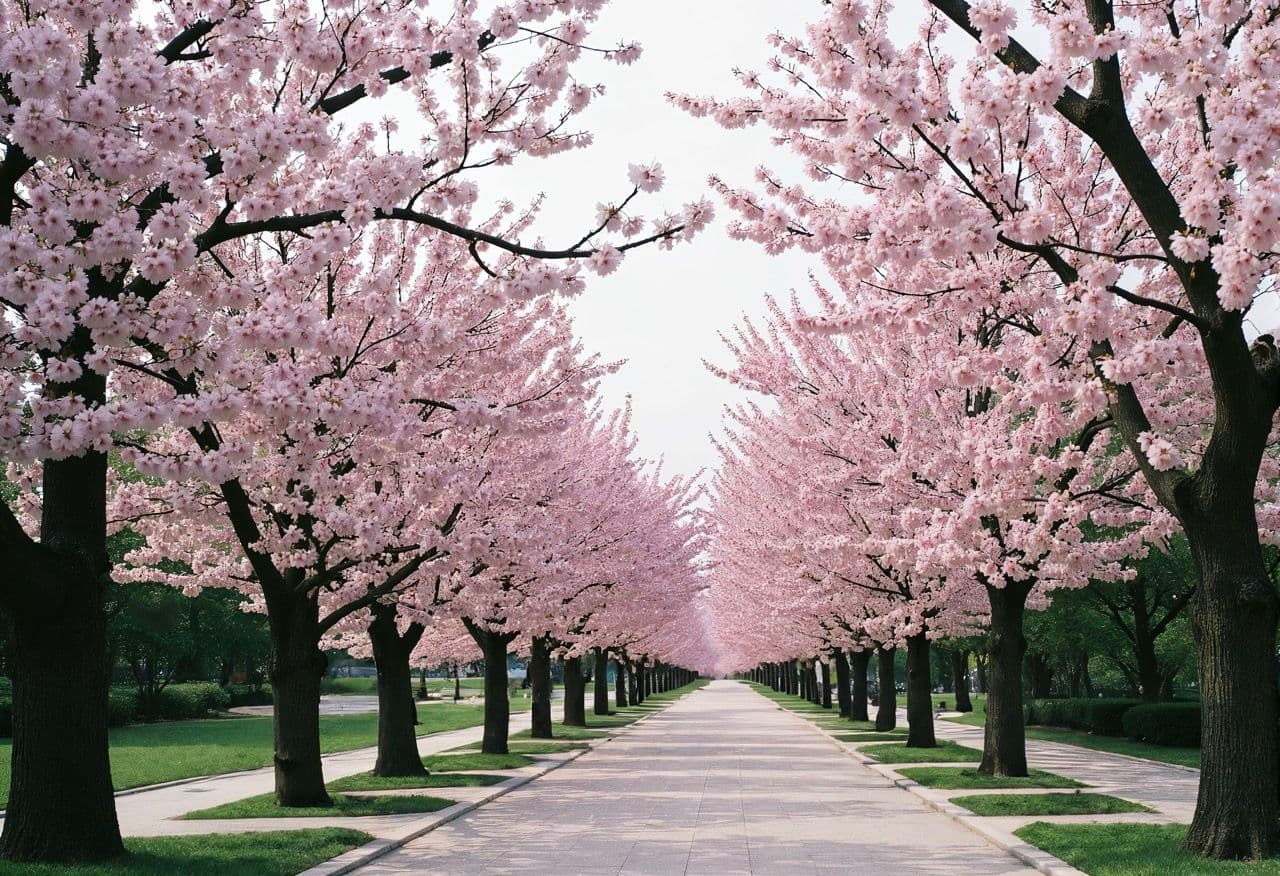
Spring is often called the prettiest time to visit Korea, and for good reason. Temperatures hover between 40°F and 70°F, making it mild and pleasant for walking around palaces, parks, and cities. The star of the show? Cherry blossoms! From late March in Jeju and Busan to early April in Seoul, pink petals turn streets and mountains into a dreamy wonderland.
You’ll find huge festivals like the Jinhae Cherry Blossom Festival or Yeouido Spring Flower Festival, where locals and visitors picnic under the trees, enjoy street food, and take endless photos. It’s perfect for first-time travelers because the weather is just right—no extreme heat or cold—and outdoor sightseeing feels easy and joyful.
The only downsides? It can get crowded (especially weekends in Seoul), and you might deal with a bit of pollen if you have allergies. Still, if you love flowers and light layers, spring is hard to beat. Pack comfortable shoes and a light jacket for cooler evenings!
ㅤㅤ
Summer in Korea (June to August) – Hot, Humid, and Full of Energy
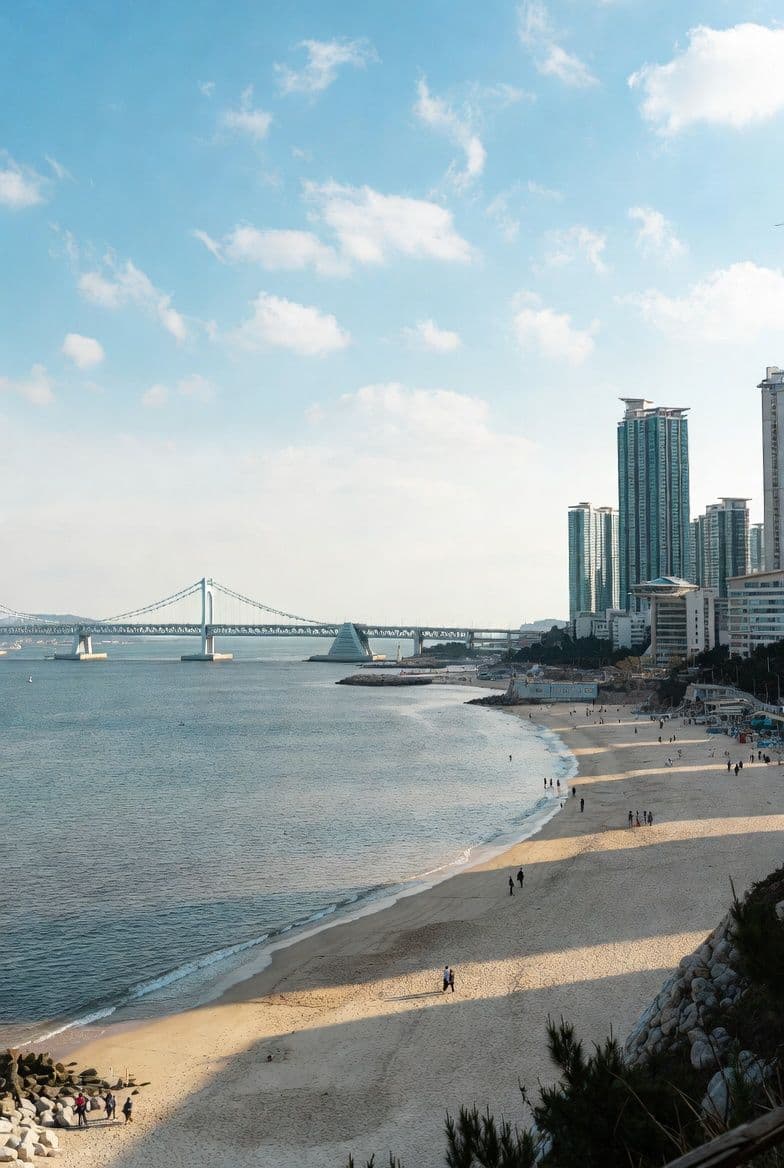
Now, let’s talk about summer—the season you mentioned with some doubt, and honestly, I understand why. June to August brings hot, humid weather (75–85°F or higher) and the famous Jangma monsoon, which usually hits from late June through July. Expect heavy rain, occasional thunderstorms, and very sticky air. It’s not the most comfortable for long city walks or mountain hikes.
That said, summer isn’t all bad! Early June before the full monsoon can be sunny and great for beach trips in Busan or Jeju. Later in the season, you’ll find fun festivals like the Boryeong Mud Festival, where thousands play in mud pits, or river fireworks shows in Seoul. Locals head to the coast or mountains to escape the heat, and crowds at major tourist spots are often lighter than in spring.
If you’re okay with packing an umbrella, wearing breathable clothes, and planning indoor activities or beach days, summer can be lively and affordable. But if you hate humidity or heavy rain, it might not be your top choice—many travelers skip it for that reason.
ㅤㅤ
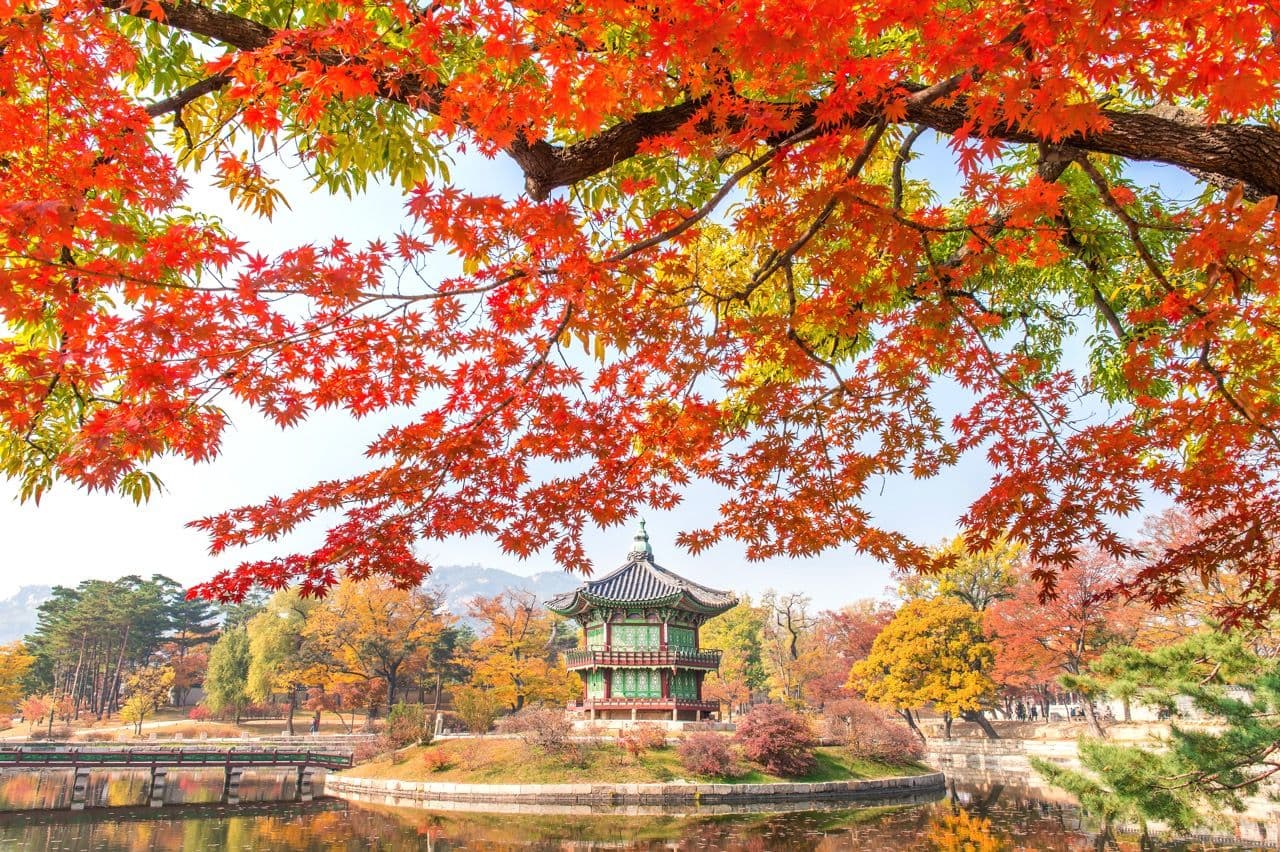
Autumn in Korea (September to November) – The Golden Season
Many locals and repeat visitors say autumn is the absolute best time to travel to Korea, and I have to agree. The weather turns cool and dry (perfect 50–70°F range), skies stay clear, and the entire country explodes with red, orange, and gold leaves. Hiking in places like Seoraksan National Park or even strolling through Seoul’s palaces feels magical.
Festivals celebrate the harvest with Chuseok (Korean Thanksgiving), and you’ll see lantern displays and cultural events everywhere. It’s ideal for photography, outdoor adventures, and just soaking in the beauty without sweating or freezing. Crowds are high in October, but nothing like spring cherry season.
The only real con is that popular spots book up fast, so plan ahead. If you want comfortable temperatures, stunning scenery, and fewer weather worries, autumn wins hands down.
ㅤㅤ
Winter in Korea (December to February) – Snowy and Serene
Winter brings real cold—Seoul can drop below freezing, with daytime highs around 0–4°C—but it creates breathtaking scenes. Snow blankets ancient palaces like Gyeongbokgung, turning them into fairy-tale settings. If you love winter sports, head to ski resorts in Pyeongchang or enjoy ice festivals like the Hwacheon Sancheoneo Ice Festival.
It’s also the quietest and most budget-friendly season. Fewer tourists mean shorter lines and cheaper hotels. Pack warm layers, a good coat, and maybe even thermal underwear! The downside is the biting cold, especially in the north, and shorter daylight hours. But for cozy indoor experiences (think hot Korean BBQ and warm cafes) or snowy adventures, winter has its own charm.
ㅤㅤ
ㅤㅤ
So, What’s My Recommendation?
If I had to pick one best time, I’d say autumn (especially October) for its perfect balance of weather, colors, and activities. It avoids summer’s rain and winter’s chill while giving you those postcard views everyone dreams about. Spring comes in a very close second if cherry blossoms are on your bucket list.
Summer can work great if you focus on beaches and festivals and don’t mind the Jangma, and winter is wonderful for unique, peaceful trips. The key is matching the season to what you love most—flowers, leaves, fun in the sun, or snow.
Korea’s seasons make every visit special, and no matter when you come, you’ll find warm hospitality, delicious food, and unforgettable memories. Have you visited Korea before? Which season are you thinking about? Drop a comment below—I’d love to help plan your trip!
Safe travels, and I hope this guide makes your Korea adventure even more exciting!
ㅤㅤ
ㅤㅤ
#BestTimeToVisitKorea #SouthKoreaTravel #KoreaSeasons #CherryBlossomsKorea #AutumnFoliageKorea #KoreaTravelTips #VisitKorea #SpringInKorea #FallInKorea #TravelToKorea