At some point in the early 2020s, the internet discovered that Korean women had been doing something for decades that the rest of the world had largely overlooked — and when it finally noticed, the reaction was equal parts "that can't be right" and "I have to try this immediately."
The practice is called slugging. The name comes from the appearance: after applying a thin layer of petrolatum — most commonly plain Vaseline — as the final step of your nighttime skincare routine, your face takes on a slick, reflective sheen that, yes, resembles the trail of a slug. It is not a glamorous look. It is an extremely effective one.
Within months of going viral on TikTok and Reddit's r/SkincareAddiction community, slugging had generated millions of posts, spawned dedicated product lines from major beauty brands, and prompted dermatologists worldwide to weigh in with a consistent verdict: the science behind it is solid, the technique is genuinely ancient, and Korean beauty culture had been quietly ahead of the curve — as it tends to be — for a very long time.
So what exactly is slugging? Where did it come from? Who should do it, who should skip it, and how do you do it correctly? Let's get into all of it.
ㅤㅤㅤㅤㅤㅤ
What Slugging Actually Is
At its most basic, slugging is the practice of applying an occlusive — a product that physically seals the skin's surface — as the very last step of your nighttime skincare routine, locking in everything applied before it and preventing moisture from escaping overnight.
The most commonly used product is plain petrolatum (petroleum jelly), sold under brand names including Vaseline. Alternatives include products formulated with petrolatum as a key ingredient, as well as other occlusives like lanolin and certain plant-based waxes — though petrolatum remains the most studied, most accessible, and most widely recommended.
The key thing to understand is what an occlusive does and does not do. An occlusive does not hydrate the skin directly. It does not add moisture. What it does is create a physical barrier on the skin's surface that dramatically slows transepidermal water loss (TEWL) — the natural process by which water evaporates from the skin throughout the day and night. By sealing that surface, slugging allows the skin to retain moisture that is already present, and to absorb and work with the active ingredients applied in previous steps of the routine.
Think of it this way: if your skincare routine is a series of investments — hydrating toners, essences, serums, moisturizers — slugging is the vault that keeps those investments from quietly leaking away overnight.
ㅤㅤㅤㅤㅤㅤ
The Korean Connection: This Isn't New
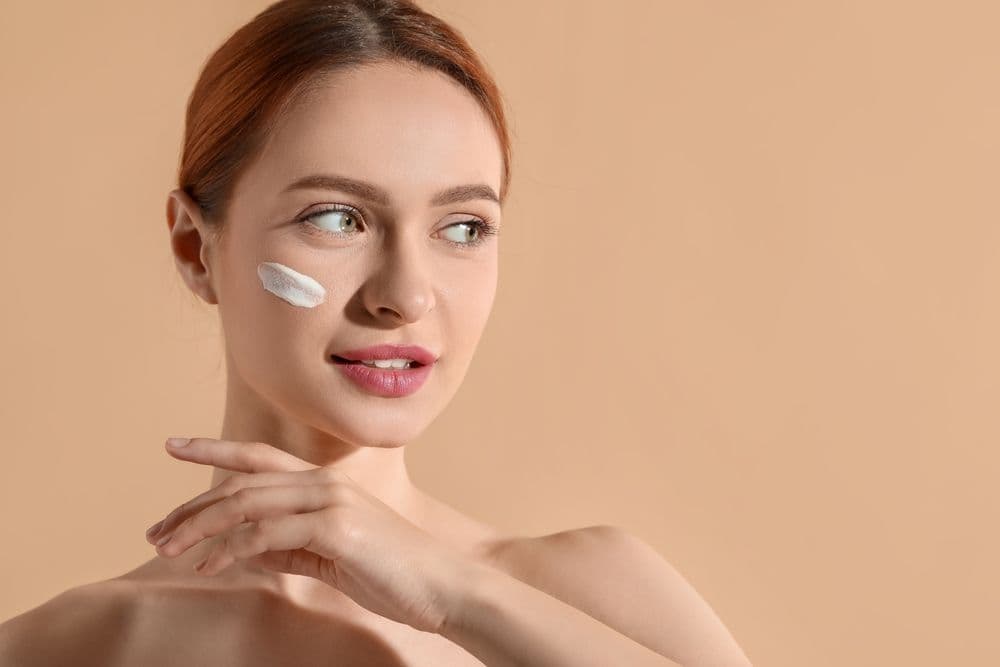
Here is the part that tends to surprise people who encountered slugging through a TikTok trend in 2021 or 2022: Korean women — and many Korean men — have been doing a version of this for decades. Probably longer.
The practice in Korean skincare culture doesn't always go by the name "slugging" — that's the English-language label that stuck when the technique spread online. In Korea, the habit of applying a layer of Vaseline or a similar occlusive product at the end of a nighttime routine, particularly during the dry winter months, has been passed down through generations as practical skincare wisdom.
Korean grandmothers taught it to their daughters. Korean mothers passed it to their children. It wasn't considered a beauty hack or a trend. It was simply common sense: skin loses moisture overnight, petroleum jelly is inexpensive and effective, and waking up with soft, hydrated skin is better than not doing so.
This pattern — a Korean skincare practice treated domestically as ordinary and obvious, then "discovered" by the global internet and received as a revelation — is one that repeats itself in the history of K-beauty. Glass skin routines, double cleansing, layering hydrating essences, SPF as a daily non-negotiable: many of these practices existed in Korean skincare culture for years or decades before Western audiences encountered them and labeled them trends.
The slugging moment was simply one of the more visible examples of this dynamic playing out in real time.
ㅤㅤㅤㅤㅤㅤ
The Science: Why It Actually Works
Slugging is not a placebo. The mechanism behind it is well understood in dermatology, and the evidence for petrolatum as a skin barrier support ingredient is among the most robust in the entire field of skincare science.
Petrolatum and the Skin Barrier
The skin's outermost layer — the stratum corneum — functions as the primary barrier between the body and the external environment. A healthy stratum corneum is composed of skin cells (corneocytes) embedded in a lipid matrix, and it performs two critical jobs: keeping irritants and pathogens out, and keeping water in.
When the skin barrier is compromised — through over-cleansing, environmental damage, harsh active ingredients like retinoids or exfoliating acids, cold and dry weather, or genetic conditions like eczema — the stratum corneum becomes less effective at both jobs. Moisture escapes more rapidly (increased TEWL), the skin becomes more vulnerable to irritants, and the characteristic signs of barrier damage appear: dryness, flakiness, tightness, redness, and sensitivity.
Petrolatum addresses this directly. Applied topically, it forms a semi-occlusive film over the stratum corneum that reduces TEWL by up to 98% according to dermatological research. This is a remarkable figure. Nothing else in over-the-counter skincare comes close to that level of moisture retention.
Furthermore, petrolatum is one of the most extensively tested substances in cosmetic dermatology. It is non-comedogenic when used as directed (meaning it does not clog pores for most skin types), non-allergenic, fragrance-free, and has a well-established safety record dating back well over a century. The FDA considers it a safe and effective over-the-counter skin protectant. Dermatologists routinely recommend it for patients with eczema, post-procedure skin recovery, and severely compromised skin barriers.
Why Overnight Specifically?
The nighttime application isn't arbitrary. While we sleep, the skin enters a phase of active repair and regeneration. Cell turnover accelerates. The skin produces more collagen. Blood flow to the skin's surface increases. The body is, in a meaningful sense, doing its most intensive skincare work while you sleep.
Slugging supports this process by ensuring that moisture levels remain high throughout the night, that barrier repair can occur with optimal hydration, and that the active ingredients applied in previous steps remain in close contact with the skin rather than evaporating or being absorbed by a pillowcase.
The result, experienced by the majority of people who try it consistently, is skin that feels markedly softer and more resilient in the morning — particularly noticeable in cold or dry climates and seasons.
ㅤㅤㅤ
Who Should Slug — and Who Should Be Careful
Slugging is not a universal prescription. Its benefits and risks vary significantly depending on skin type, current skin condition, and what else is in your routine. Here is a clear breakdown.
Slugging Works Best For
Dry and very dry skin types are the primary beneficiaries. If your skin regularly feels tight, rough, or parched — particularly in winter or in low-humidity environments — slugging can be transformative. The barrier-sealing effect is most immediately noticeable on skin that has been losing moisture rapidly.
Sensitized or compromised skin barriers respond well to slugging. If you have been using strong actives — retinol, prescription tretinoin, AHAs, BHAs — and your skin has become reactive, red, or flaky as a result, a brief slugging period (sometimes called "barrier repair mode" in online skincare communities) can support recovery significantly.
Dry or combination skin in cold weather benefits seasonally. Even skin types that don't need daily slugging year-round can benefit from adding it as a winter routine adjustment when central heating, cold air, and low humidity combine to accelerate moisture loss.
Eczema-prone skin has a particular affinity for petrolatum, which is frequently recommended by dermatologists as a primary maintenance product for eczema management.
Proceed with Caution If You Have
Acne-prone or congestion-prone skin should approach slugging carefully. While petrolatum itself is technically non-comedogenic in clinical testing, the occlusive layer it creates can trap sebum, sweat, dead skin cells, and any bacteria present on the skin's surface — which may exacerbate breakouts in those already prone to them. If you have active acne, slugging directly on affected areas is generally not recommended. Some acne-prone people slug only on areas that don't break out (forehead, cheeks) while avoiding others (nose, chin). Spot testing on a small area for several nights before a full-face application is a wise first step.
Oily skin types may find the texture uncomfortable or find that it contributes to milia (small, hard white bumps under the skin) over time with nightly use. Less frequent application — two or three times per week rather than every night — often works better for this group.
Those using strong retinoids should note that slugging over tretinoin or other prescription retinoids significantly increases penetration and can cause irritation. If you use prescription retinoids, consult your dermatologist before adding slugging to your routine.
ㅤㅤㅤ
How to Actually Do It: A Step-by-Step Guide
The technique is simple, but the sequence matters. Applying petrolatum incorrectly — too early in the routine, or over incompatible products — reduces its effectiveness or can cause issues.
- Step 1 — Complete your full nighttime skincare routine first. Cleanser, toner, essence, serum, moisturizer — all of it, in order. Allow each layer to absorb before the next. Slugging goes on last, after everything else.
- Step 2 — Wait a few minutes after your moisturizer. Your moisturizer should be at least partially absorbed before you apply the occlusive layer. Applying petrolatum immediately over a still-wet moisturizer can prevent the moisturizer from properly absorbing and may dilute the petrolatum layer. Two to five minutes is sufficient.
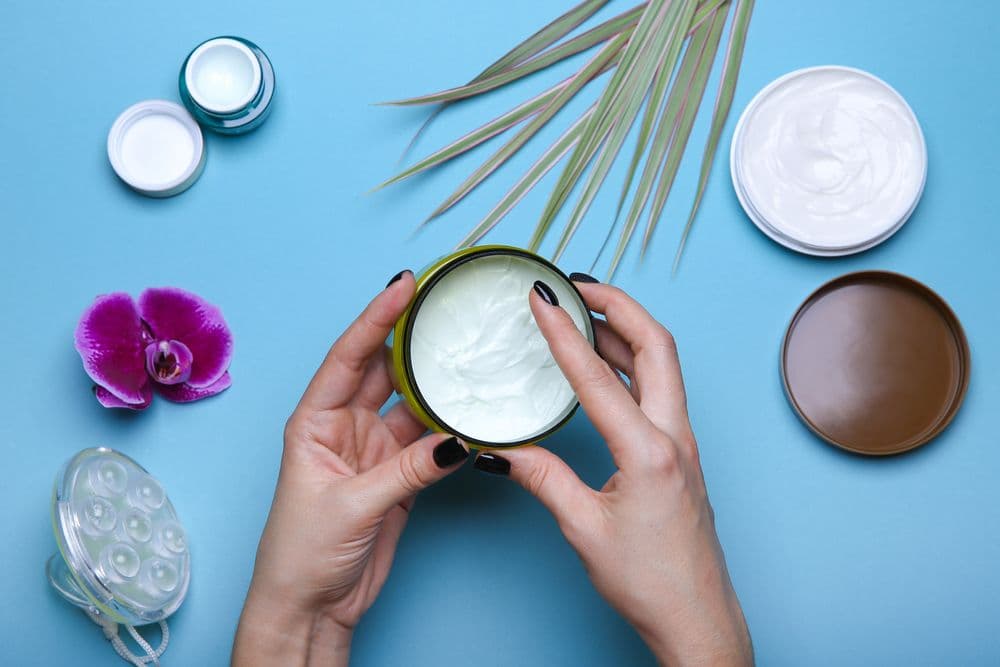
- Step 3 — Use a very small amount. This is where most first-timers overestimate. You need a pea-sized amount, or slightly more for very dry skin — no more. Warm it between your fingertips first, which makes it easier to apply evenly. Press and smooth it lightly over the face in thin, even layers. You want a sheen, not a thick coating. Using too much makes no difference to efficacy and significantly increases the "slug trail" effect, which can transfer to your pillowcase.
- Step 4 — Use an old pillowcase or a silk pillowcase. Petrolatum will transfer onto fabric. A cotton pillowcase will absorb some of the product overnight and can leave residue that is difficult to wash out. A silk or satin pillowcase reduces transfer and is gentler on skin and hair. Alternatively, designate an older pillowcase specifically for slug nights.
- Step 5 — Cleanse thoroughly in the morning. Petrolatum requires a proper cleanser to remove — water alone will not do it. An oil-based cleanser or balm cleanser is ideal, followed by your regular water-based cleanser if you double cleanse. Do not skip this step or allow petrolatum to build up on the skin over consecutive days without cleansing.
ㅤㅤㅤ
The Bigger Picture: What Slugging Tells Us About K-Beauty Philosophy
Slugging, taken as a single technique, is easy to understand. But as an entry point into Korean skincare philosophy, it opens up something more interesting.
The principle underlying slugging is the same principle underlying much of what makes K-beauty distinctive: protect and support the skin barrier above all else. Before brightening. Before anti-aging. Before addressing any specific concern. A healthy, intact skin barrier is the foundation on which everything else in a skincare routine builds.
This is a philosophy that Western skincare has historically struggled with. The legacy of Western beauty culture — particularly in the mid-twentieth century — tended toward aggressive cleansing, heavy exfoliation, and the active stripping of the skin's surface in pursuit of "cleanliness" or the removal of perceived imperfections. The result, for many people, was chronically sensitized, reactive skin that then required ever more products to manage.
Korean skincare, shaped by different cultural values and a different relationship with the concept of "skin health," took the opposite approach. Don't strip the barrier. Don't fight it. Nourish it, seal it, give it time, and let it do the work it was designed to do.
Slugging is, in that sense, the most direct expression of that philosophy — a practice so simple it requires almost no explanation, using an ingredient so inexpensive it costs almost nothing, producing results so consistent that once the global internet finally noticed, it could find no good reason to stop.
ㅤㅤㅤ
The Bottom Line
Slugging is not a miracle cure. It will not address hyperpigmentation, deep wrinkles, or active acne on its own. What it will do, reliably and inexpensively, is repair and maintain your skin barrier — the single most important structural element in any skincare routine.
For dry, sensitive, or barrier-compromised skin, the difference between slugging and not slugging can be dramatic. For combination and normal skin types, it is an excellent seasonal tool, particularly in winter. For oily and acne-prone skin, it requires more care but is not categorically off the table.
The next time you walk past a drugstore display of plain petroleum jelly and feel the slight condescension of someone who uses twelve-step routines and serums with ingredient lists that require a chemistry degree to parse — consider that Korean grandmothers have been handing this exact jar to their grandchildren for generations, saying nothing more than: put a little on before you sleep. It works.
They were right. The internet just took a while to catch up.
ㅤㅤㅤ
ㅤㅤㅤ
#Slugging #KBeauty #KoreanSkincare #SkinBarrier #SkincareRoutine #GlassSkin #NightSkincare #KBeautyTips #SkincareScience #KoreanBeautySecrets