There's a particular kind of culture shock that happens when a first-time visitor walks into an Olive Young in Seoul and stares at an entire wall — sometimes two — dedicated entirely to sunscreen. Not just a shelf tucked near the checkout. A wall. Dozens of formulas: cushion SPFs, essence-textured SPFs, tinted SPFs, SPFs that double as moisturizers, SPFs marketed specifically for reapplication over makeup, SPFs for sensitive skin, for oily skin, for dry skin, for children, for outdoor athletes. The selection is staggering.
In most parts of the world, sunscreen is something you remember to pack for the beach. In South Korea, it is the final — and arguably most important — step of the daily skincare routine, applied rain or shine, summer or winter, indoors or out. No exceptions. No negotiations.
This isn't a trend that emerged from a beauty brand's marketing department. It is a deeply held cultural conviction backed by dermatological science, generational wisdom, and a beauty philosophy that treats the skin barrier with more seriousness than perhaps any other country in the world.
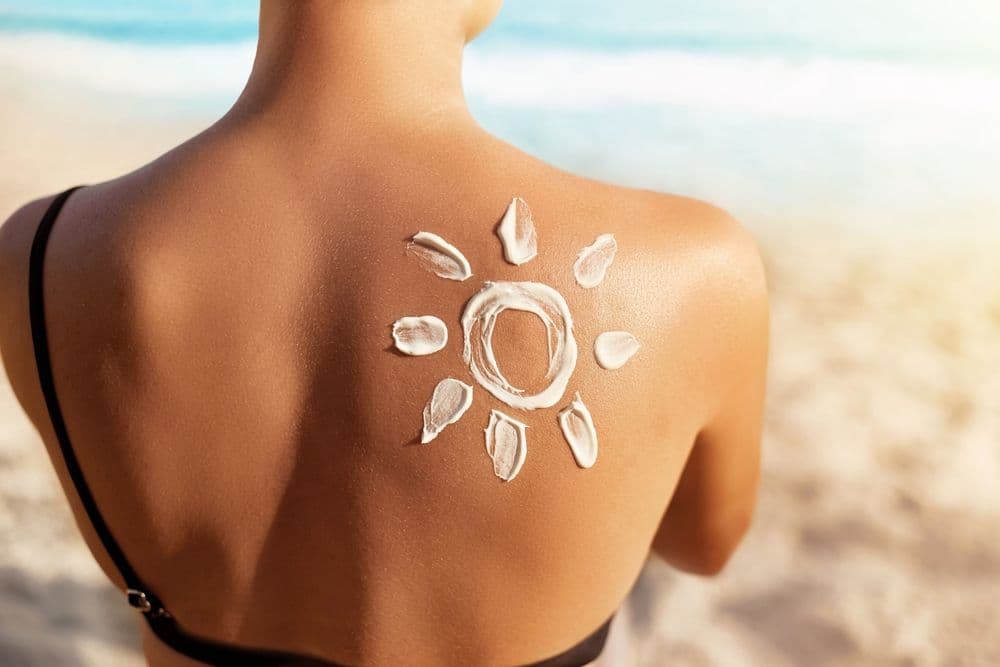
So how did South Korea become the global capital of sun protection? And what can the rest of the world learn from it? Let's get into it.
ㅤㅤㅤ
Sun Protection as Skincare, Not Suncare
The first thing to understand is how Koreans think about sunscreen — because the framing is fundamentally different from what most Western beauty routines assume.
In Western skincare culture, sunscreen tends to be categorized as a "suncare" product: something seasonal, something you apply before outdoor activities, something that lives in the same mental drawer as insect repellent and after-sun lotion. It's reactive and situational.
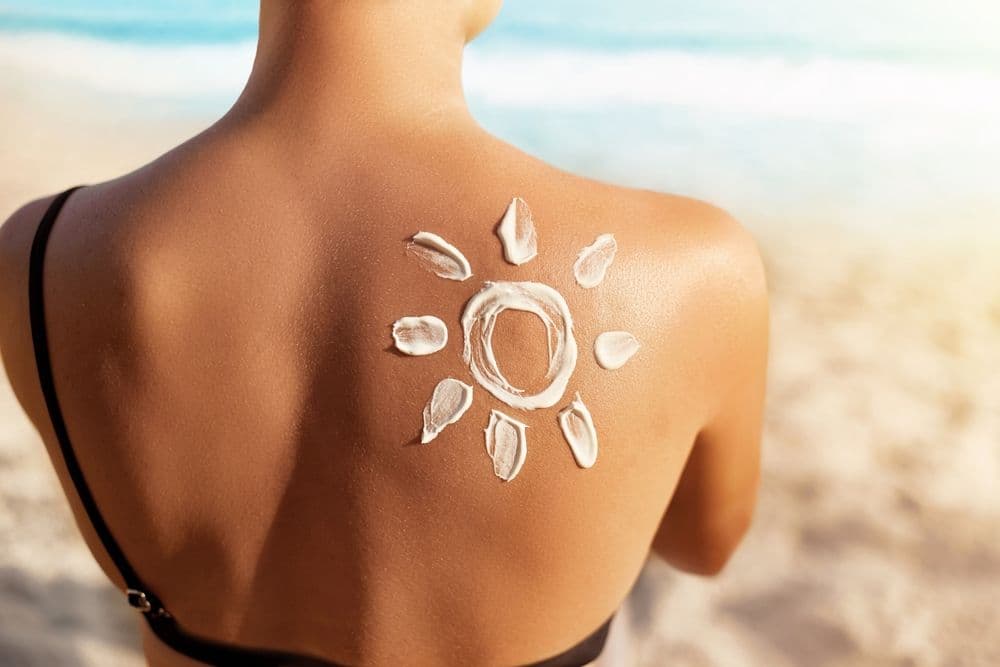
In Korean skincare culture, sunscreen is a daily skincare product, full stop. It belongs in the same category as cleanser, toner, and moisturizer. The logic is straightforward: UV radiation doesn't take a day off. It penetrates clouds, reflects off windows, and accumulates silently in your skin every single day — contributing to premature aging, hyperpigmentation, and long-term damage that compounds over decades. Applying SPF only on sunny beach days is, from the Korean dermatological perspective, like brushing your teeth only when you eat something obviously dirty.
This shift in framing — from reactive protection to proactive daily care — is the philosophical foundation behind Korea's sunscreen culture, and it changes everything about how products are designed, marketed, and used.
ㅤㅤㅤ
The PA System: Korea's More Honest Way to Measure UV Protection
Most people outside Korea are familiar with SPF — Sun Protection Factor — which measures how well a product blocks UVB rays, the ones responsible for sunburn. What fewer people know is that UVB is only half the UV story.
UVA rays penetrate deeper into the skin than UVB. They don't cause sunburn, so you don't feel them working — but they are the primary driver of photoaging (fine lines, loss of elasticity, uneven skin tone) and contribute significantly to long-term skin damage. Standard SPF numbers tell you nothing about UVA protection.
Korea — along with Japan — addressed this gap by developing and widely adopting the PA (Protection Grade of UVA) system, which rates UVA protection on a scale from PA+ to PA++++. The more plus signs, the stronger the UVA protection.
ㅤㅤㅤ

ㅤㅤㅤ
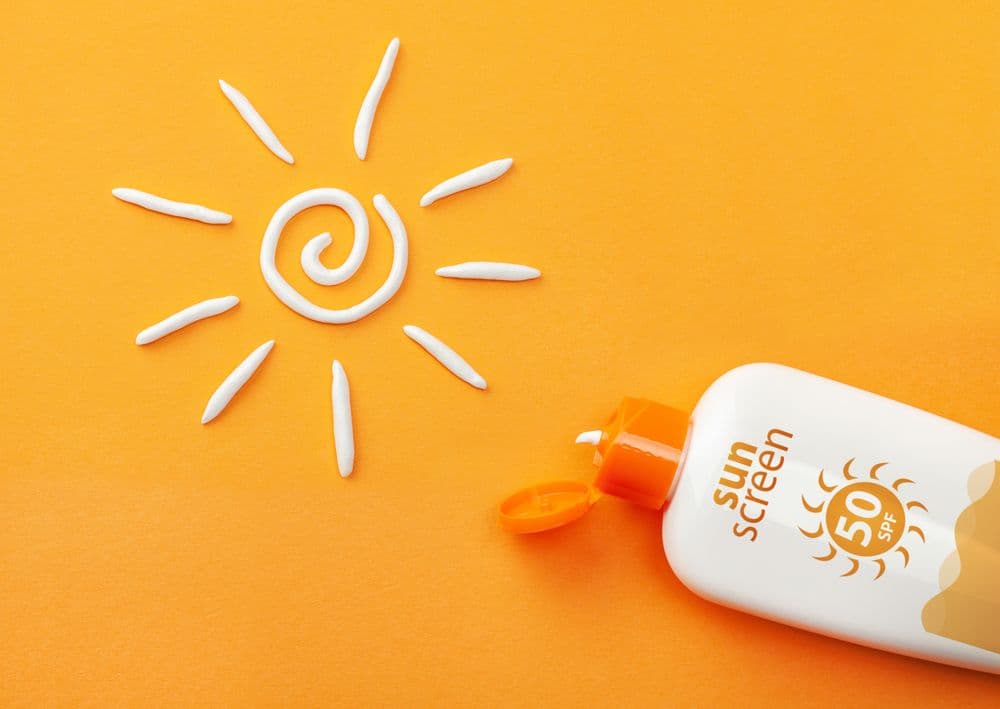
When Korean sunscreen labels read something like SPF 50+ PA++++, that's telling you the product offers both maximum SPF-level UVB protection and the highest tier of UVA defense. This dual-axis approach to measuring sun protection is, frankly, more informative than SPF-only labeling — and it's one reason why Korean sunscreens have earned the trust of dermatologists globally.
Many Western countries are slowly catching up, introducing their own UVA rating systems, but Korea and Japan have been doing this for decades.
ㅤㅤㅤ
Why Korean Sunscreen Formulas Feel So Different
If you've only ever used Western drugstore sunscreens, your first encounter with a Korean SPF product can be genuinely surprising. Where did the white cast go? Why does this feel like a serum? Why doesn't it pill under makeup?
This is not accidental. It reflects years of intensive formulation research driven by a very specific market demand: Korean consumers want sun protection they will actually wear every single day — which means it has to feel good enough to wear every day. That requirement changes the entire product development brief.
ㅤㅤㅤ
Chemical vs. Physical Filters — and What Korea Does Differently
Sunscreens generally work through one of two mechanisms:
Physical (mineral) filters — ingredients like Zinc Oxide and Titanium Dioxide — sit on top of the skin and physically block UV rays. They're excellent for sensitive skin and are photostable (they don't break down in sunlight), but they have historically been the cause of white cast and heavy texture.
Chemical filters — ingredients like Avobenzone, Octinoxate, or Tinosorb S — absorb UV energy and convert it to heat. They tend to be lighter and more cosmetically elegant, but some have been associated with skin sensitivity concerns.
Korea has invested heavily in developing next-generation chemical filters — particularly Tinosorb S (Bis-Ethylhexyloxyphenol Methoxyphenyl Triazine) and Tinosorb M — that offer broad-spectrum coverage with exceptional photostability and a cosmetic finish that most mineral sunscreens simply cannot match. These filters are approved in Korea, Japan, and the EU, but have historically faced a lengthy FDA approval process in the United States — one reason American sunscreen formulas have lagged behind.
The result of Korea's formulation sophistication is a category of products that includes:
- Essence sunscreens with the feel of a lightweight hydrating serum
- Sunscreen cushions for seamless midday reapplication over makeup
- Tinted SPF that functions as a light base with built-in protection
- Aqua-gel textures that absorb instantly without tackiness
- Stick formats for precise touch-up application around hairlines and under eyes
The message embedded in all of this design work is consistent: if a product is unpleasant to use, people won't use it consistently. Korean sunscreen manufacturers understood this and designed their way around the compliance problem.
ㅤㅤㅤ
The Cultural Roots: Where Did This Obsession Begin?
Korea's deep relationship with sun protection has cultural roots that go back much further than modern dermatology.
Historically in Korean (and broader East Asian) culture, fair, even-toned skin has been associated with social status, good health, and beauty. This aesthetic ideal is complex and nuanced — and it's worth noting that the conversation around colorism in Korea, as in many societies, is an ongoing and important one. But historically, the desire for skin that showed no visible sun damage created a cultural predisposition toward protecting the skin from the sun long before SPF existed as a concept.
Traditional Korean women used ttukbaegi paste, rice-based powders, and parasols to shield their skin. These weren't vanity practices — they were passed down as genuine skincare wisdom. When modern sunscreen technology arrived, it landed on already fertile cultural ground.
The modern K-beauty industry then amplified and codified this cultural inclination into a global product category. Korean dermatologists became increasingly vocal about the science — the research on UV-induced DNA damage, on the cumulative nature of daily UV exposure, on the disproportionate impact of unprotected UVA exposure on long-term skin aging. The message took root at every level: in schools, in beauty media, in K-pop idol culture, and in the daily habits of everyday Koreans.
Today, it's common to see Korean women — and increasingly Korean men — reapplying sunscreen midday using cushion formats or spray SPFs. This isn't seen as excessive or unusual. It's as unremarkable as reapplying lip balm.
ㅤㅤㅤ
How to Build a Korean-Inspired SPF Routine
You don't need to overhaul your entire skincare routine to adopt the most effective principle from Korean sun care. Start here:
Step 1 — Choose the right SPF level. Korean dermatologists typically recommend SPF 30 at minimum for daily indoor use, and SPF 50+ for any time spent outdoors. This applies 365 days a year, not just summer.
Step 2 — Understand what PA++++ actually means for you. If anti-aging is a priority, UVA protection matters as much as SPF rating. Look for products rated PA+++ or PA++++ for daily use.
Step 3 — Find a texture you'll actually use. This is the single most important factor. The best sunscreen is the one you will apply consistently. If you hate the texture, you'll skip it. Try a few — essence types, gel types, tinted types — until you find one that disappears into your skin without a trace.
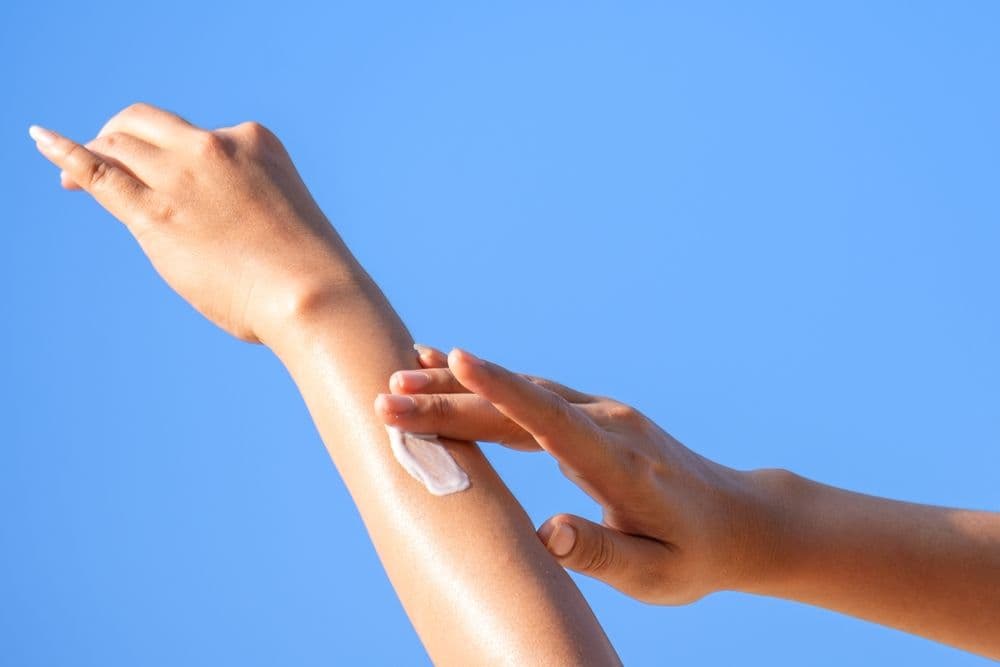
Step 4 — Apply it last in your routine, and apply enough. Most people apply far too little sunscreen to get the SPF rating on the label. The standard recommendation is ¼ teaspoon (about 1.25ml) for the face alone. If you're using a cushion, you need several full pats to reach adequate coverage.
Step 5 — Reapply. This is the step most people skip entirely. UV protection breaks down through sweat, sebum production, and time. Korean dermatologists recommend reapplying every two hours when outdoors. Cushion SPFs and powder SPFs were designed specifically to make this practical.
ㅤㅤㅤ
Top Korean Sunscreen Picks Worth Knowing
The global K-beauty market has made many of these products accessible worldwide through platforms like Olive Young's global shop, YesStyle, Stylevana, and Amazon. A few consistently praised options:
- COSRX Aloe Soothing Sun Cream SPF 50+ PA+++ A lightweight daily option beloved for its calming, non-irritating formula. Works well under makeup and is a reliable entry point for those new to Korean SPF.
- Beauty of Joseon Relief Sun: Rice + Probiotics SPF 50+ PA++++ One of the most praised Korean sunscreens globally in recent years. A creamy, skin-nourishing formula that applies smoothly and leaves a healthy, natural finish.
- Anua Birch Juice Moisturizing Sunscreen SPF 50+ PA++++ A newer standout known for its deeply hydrating, essence-like texture that makes it feel more like a moisturizer than a sunscreen. Excellent for dry and combination skin.
- Isntree Hyaluronic Acid Watery Sun Gel SPF 50+ PA++++ A gel-type formula with a satisfying aqua finish, popular with oily and combination skin types. Minimal white cast, quick absorption.
- Laneige Water Bank UV Guard SPF 50+ PA++++ From one of Korea's most globally recognized brands, this offers premium hydration alongside strong broad-spectrum protection.
Note: Individual results vary. Patch testing is always recommended, particularly for sensitive skin types.
ㅤㅤㅤ
What the West Is Finally Starting to Understand
For years, dermatologists in Western countries have been making the same argument Korean beauty culture has lived by for decades: daily broad-spectrum sunscreen is the single most evidence-backed anti-aging skincare step available. More than retinol. More than vitamin C. More than any expensive serum.
The research on this is not subtle. Studies consistently show that people who apply broad-spectrum SPF daily show measurably slower photoaging progression compared to those who apply it only situationally. UV damage is the leading environmental cause of premature skin aging and is a significant contributing factor to skin cancer risk.
And yet, until recently, the Western sunscreen market was largely stuck producing products that consumers didn't actually enjoy using — heavy, whitening, greasy, pilling under foundation. The success of Korean sunscreens in Western markets has actively pushed global brands to rethink formulation, introducing lighter textures, better filters, and more cosmetically wearable SPF products across all price points.
The K-beauty sunscreen revolution, in other words, didn't just change how Koreans protect their skin. It's changing what the entire global beauty industry thinks sunscreen can and should be.

ㅤㅤㅤ
The Bottom Line
South Korea's relationship with sunscreen is not a beauty trend. It's not marketing. It is a deeply practical, science-backed, culturally reinforced commitment to the most effective single thing you can do for your long-term skin health.
You don't need to adopt an entire 10-step routine. You don't need to spend a fortune on premium products. But if there's one habit from Korean skincare worth borrowing — truly worth making your own — it's this one: wear SPF. Every day. Rain or shine. Indoors or out.
Your skin in twenty years will have a very clear record of whether you listened.
ㅤㅤㅤ
ㅤㅤㅤ
#KBeauty #KoreanSkincare #SPFEveryDay #SunscreenRevolution #KoreanSunscreen #SkincareRoutine #GlassSkin #UVProtection #KBeautyTips #SunProtection