K-POP: Everyone's Talking About It Online, But Why Does It Still Feel Somewhat Forgotten on Mainstream TV?
Have you ever noticed how K-POP seems to be everywhere and nowhere at the same time? As someone who enjoys diving into different music scenes, I've been fascinated by the global rise of Korean pop music. The energy, the choreography, the dedicated fans – it's truly captivating! Yet, there's this interesting paradox: while the numbers show massive popularity, especially in the United States, it often feels like a genre that passionate fans adore deeply but the broader public might not think about day-to-day. Let's explore why K-POP can feel hugely loved yet somewhat "under-the-radar" in mainstream American culture.
ㅤㅤ
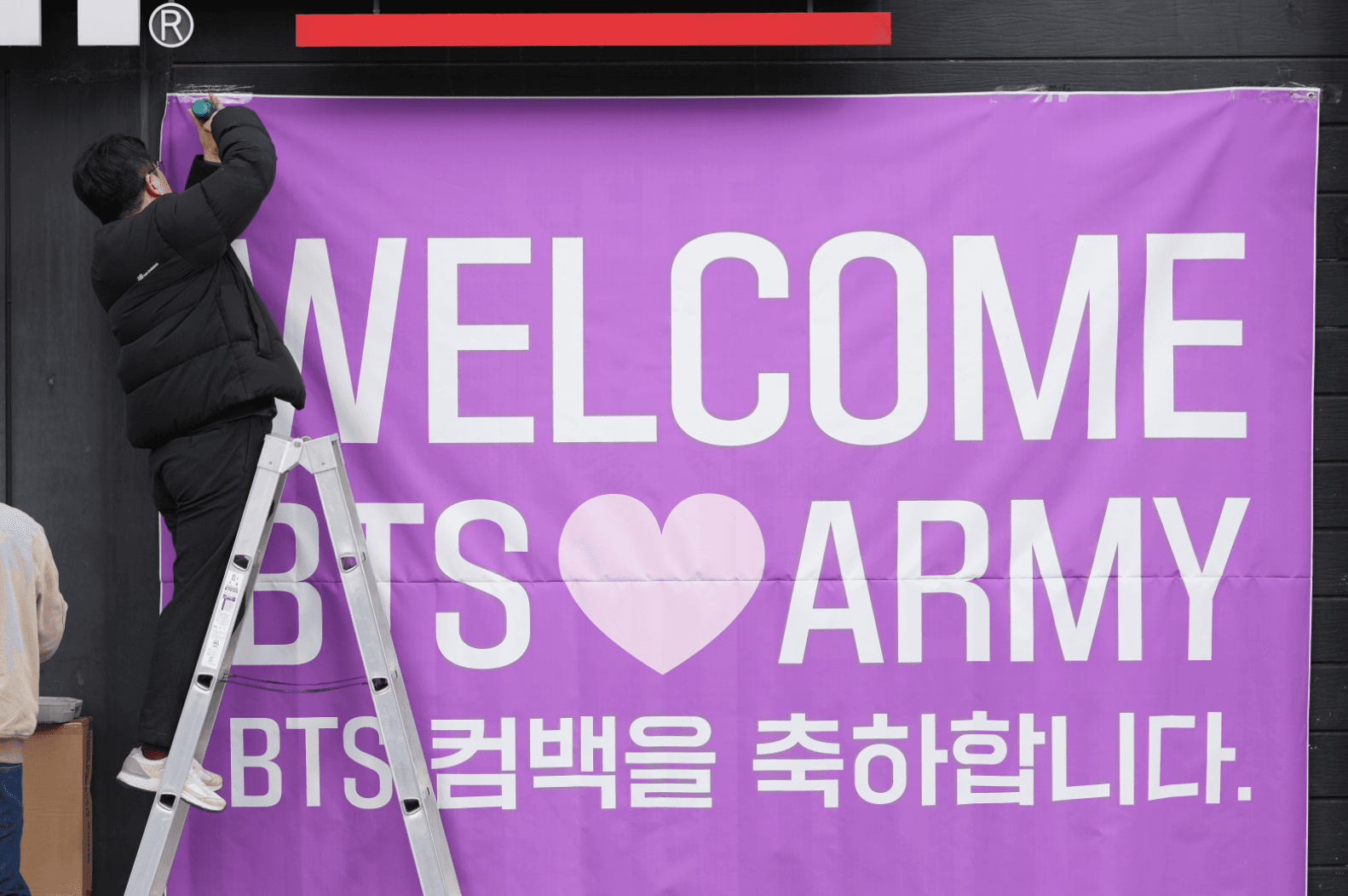
First, let's acknowledge the incredible strides K-POP has made. From Psy's 'Gangnam Style' in 2012 becoming the first YouTube video to hit a billion views, to groups like BTS and BLACKPINK selling out arenas, headlining festivals like Coachella and Governors Ball, and dominating streaming charts – the impact is clear. In 2025, the animated film 'KPop Demon Hunters' became Netflix's most-watched movie ever, with its soundtrack topping Billboard charts. And in 2026, we're seeing even more: acts like Stray Kids and JENNIE headlining major U.S. festivals, while songs from K-POP projects pop up in high-profile moments like Oscars music segments or New Year's Eve broadcasts.
The online world is where K-POP truly dominates. YouTube, TikTok, and social media are flooded with music videos racking up billions of views, fan challenges, and vibrant community discussions. Fandoms drive massive album sales through dedicated streaming parties and merchandise hauls. Industry reports show K-POP making up a growing slice of U.S. music revenue, especially among Gen Z. Concerts sell out stadiums, and tours generate huge excitement and revenue.
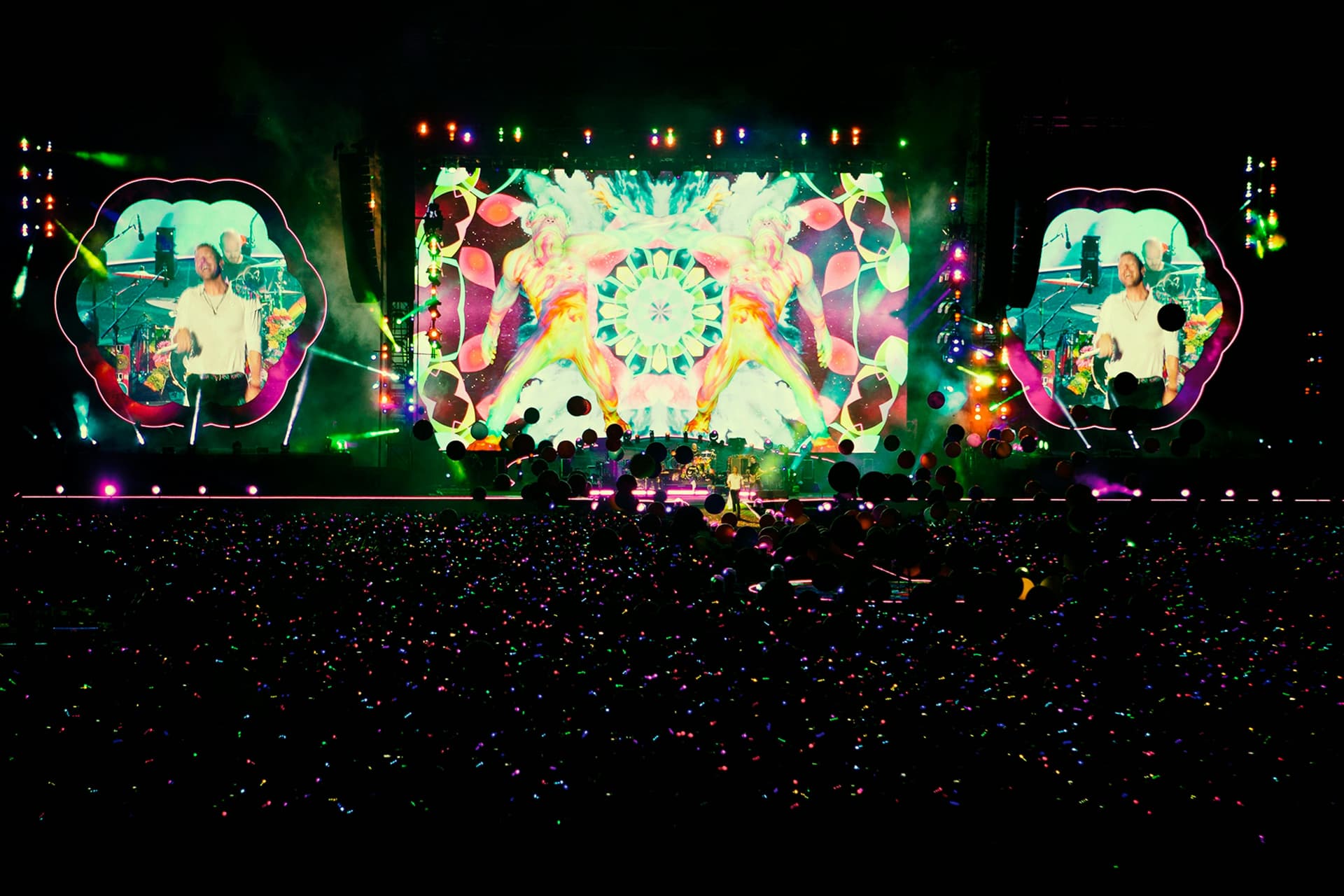
(That electric concert energy with lightsticks waving – it's something special that spreads so powerfully online!)
ㅤㅤ
However, if you turn on traditional television – major networks like ABC, NBC, or CBS during prime time – K-POP appearances are still relatively infrequent compared to pop, hip-hop, or rock acts. You'll catch big groups on late-night shows, talent competitions like America's Got Talent, or special events like Dick Clark's New Year's Rockin' Eve when they're promoting heavily, but it's not the everyday rotation many other genres enjoy. Radio play outside niche stations remains limited too. This stands in contrast to the relentless online push where algorithms keep feeding K-POP content to fans.
Think back to 2012. Psy's 'Gangnam Style' wasn't just a hit – it was a full-blown cultural phenomenon. The horse dance was everywhere: parodied on news, referenced by celebrities and politicians, even done by NASA astronauts. It crossed over to casual audiences and felt truly inescapable on both TV and online.
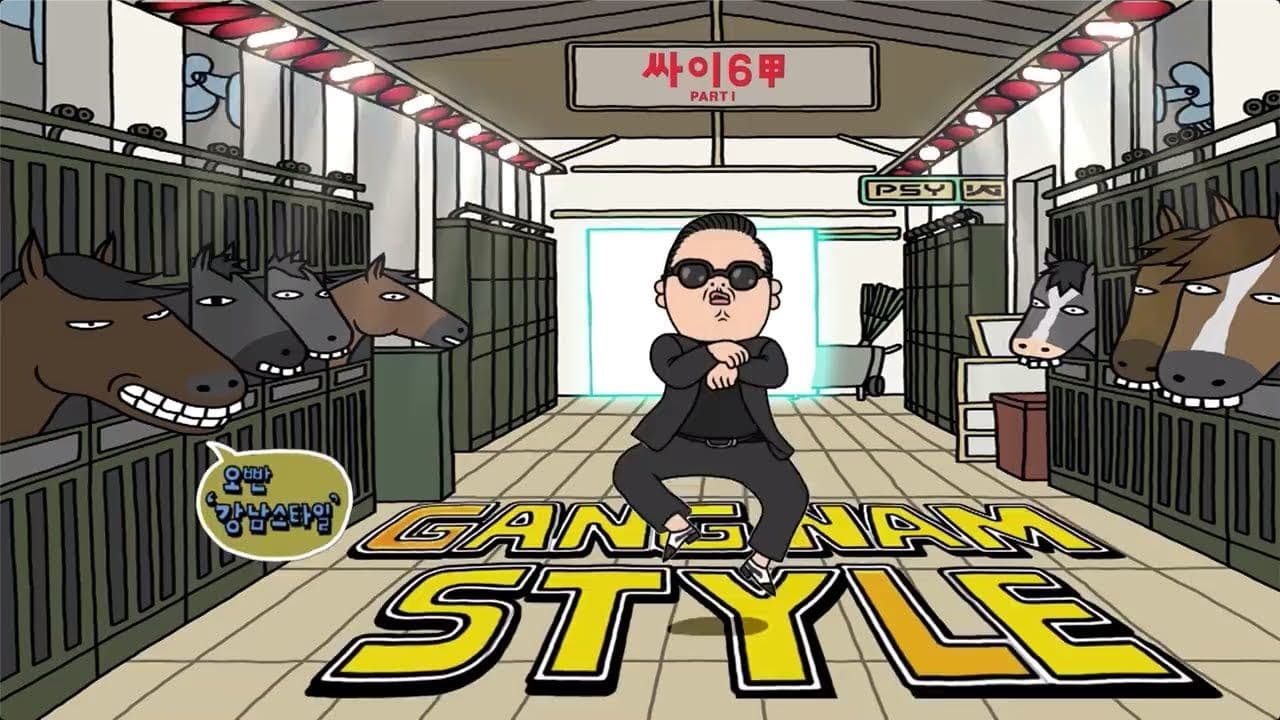
(That iconic horse dance from 'Gangnam Style' – still brings back memories of how unavoidable it was!)
ㅤㅤ
Fast forward to today: while individual acts have landmark moments (BTS on talk shows, BLACKPINK collaborations, recent TV spots for newer groups), the genre as a whole hasn't quite reached that same level of universal, everyday recognition. Many people know "BTS" or "BLACKPINK," but ask about current top tracks or rising groups, and you might get blank stares outside fan circles. Is this true mainstream fame, or is it an incredibly successful niche thriving in its own powerful ecosystem?
There are a few reasons for this dynamic. First, the digital era has shifted how music breaks through. Success now often comes via targeted algorithms and passionate communities rather than traditional media gatekeepers. K-POP's strengths – polished visuals, engaging storytelling, and fan interaction – are perfectly suited to YouTube, TikTok, and streaming platforms. Fans build their own worlds without needing TV exposure.
ㅤㅤ
Second, cultural and format differences play a role. K-POP stages rely on large-scale choreography, lighting, and narrative that don't always translate perfectly to standard U.S. TV slots with time/space limits. Performances can sometimes feel "flat" on screen compared to live energy.
(So many of us discover and enjoy music on phones or streaming apps rather than just TV.)
ㅤㅤ
Third, the intense fandom model creates strong metrics (streams, sales, tickets) but can form echo chambers that don't always spill into casual mainstream conversations.
ㅤㅤ
Does this mean K-POP isn't "famous"? Absolutely not! In 2026, fame is measured by global streams, sold-out tours, cultural influence (fashion, beauty, memes), and dedicated communities – and K-POP nails all of that through the ongoing Hallyu wave. It's building a lasting legacy.
Still, the question remains: Could more consistent mainstream TV presence help introduce it to even wider audiences who might fall in love too? Or is the current path – dominant online, explosive live shows, and targeted breakthroughs – the ideal model for today's world?
ㅤㅤ
What do you think? Do you encounter K-POP more on your feeds, streams, or actual TV? Drop your thoughts in the comments – whether you're a die-hard fan or just curious, the fresh energy K-POP brings is something worth celebrating!
ㅤㅤ
ㅤㅤ
#KPop #KPopInAmerica #GangnamStyle #BTSARMY #BLACKPINK #MusicFandom #PopCulture