
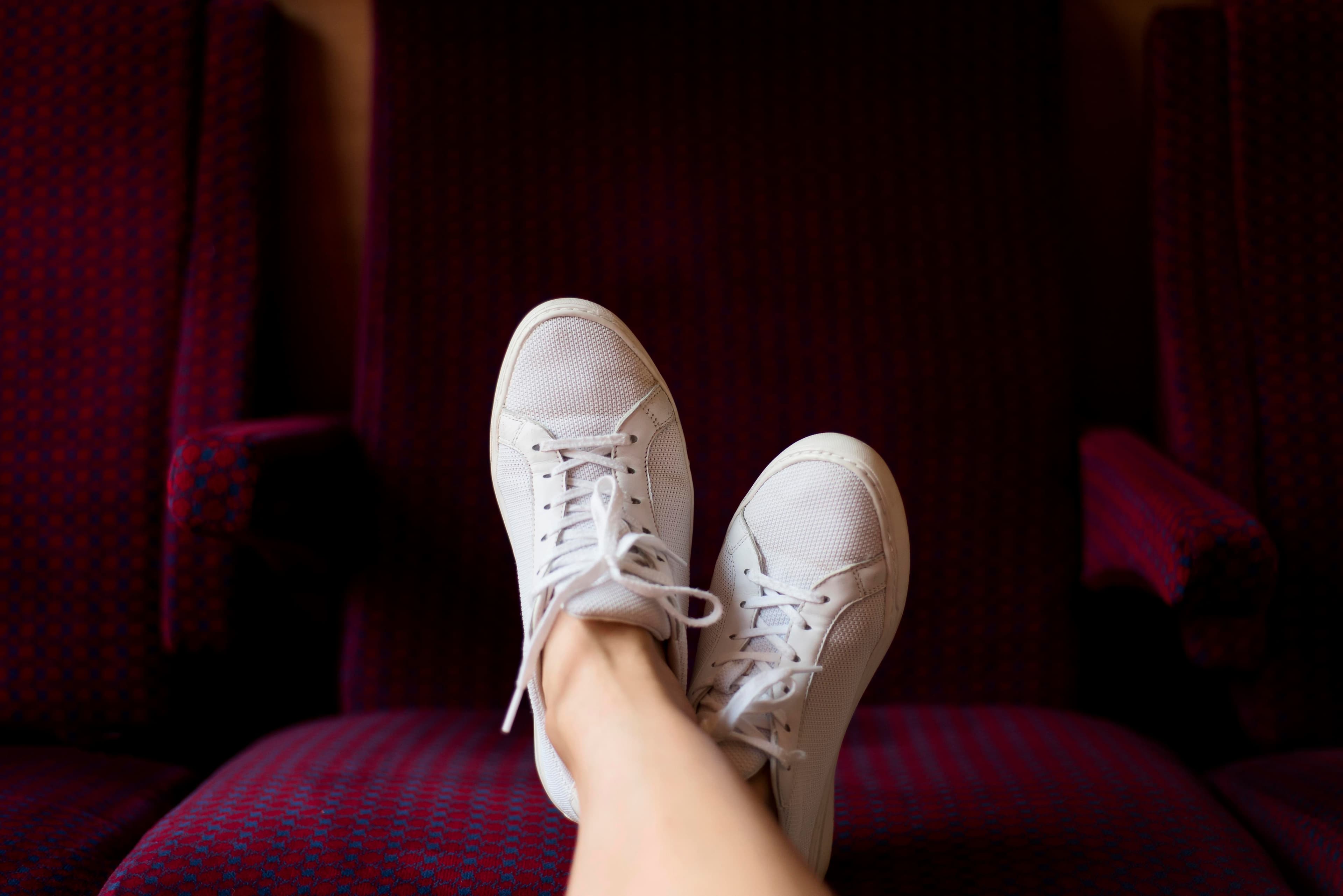
In the United States, one of the smallest yet most noticeable cultural differences was footwear. In Korea, taking off your shoes before entering a home is second nature. It’s not merely a habit—it’s a quiet expression of respect and a practical way to keep indoor spaces clean.
In most Korean homes, the entryway (known as the hyeon-gwan) serves as a clear divider between the outside world and the clean, private interior. Streets can be dusty, wet, or simply dirty, and outdoor shoes track all of that inside. Many Korean families spend a great deal of time on the floor—sitting for meals, watching TV, playing with children, or even sleeping on traditional mats—so keeping the floor spotless is a priority. Walking indoors with shoes on is generally viewed as impolite, almost like carrying the mess of the outside world into a space meant for comfort and peace.
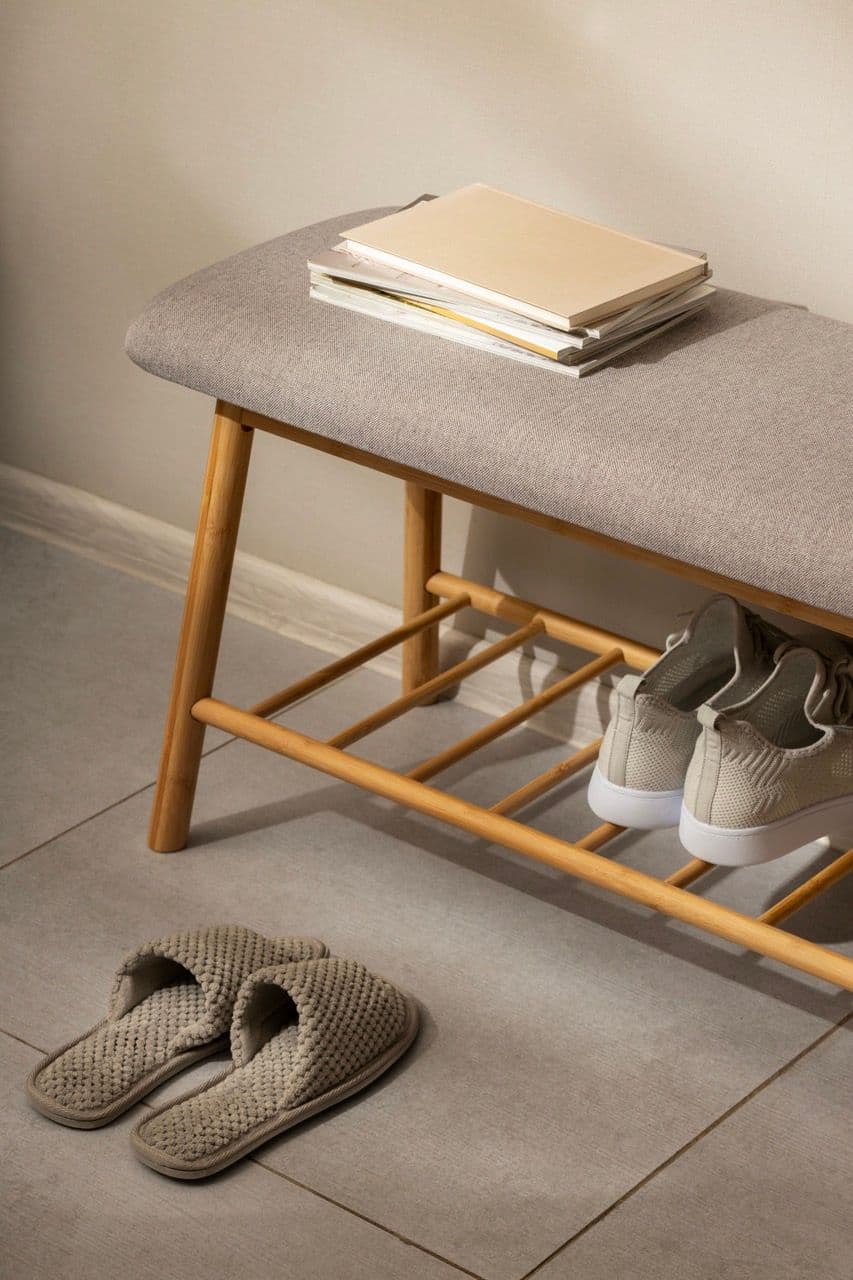
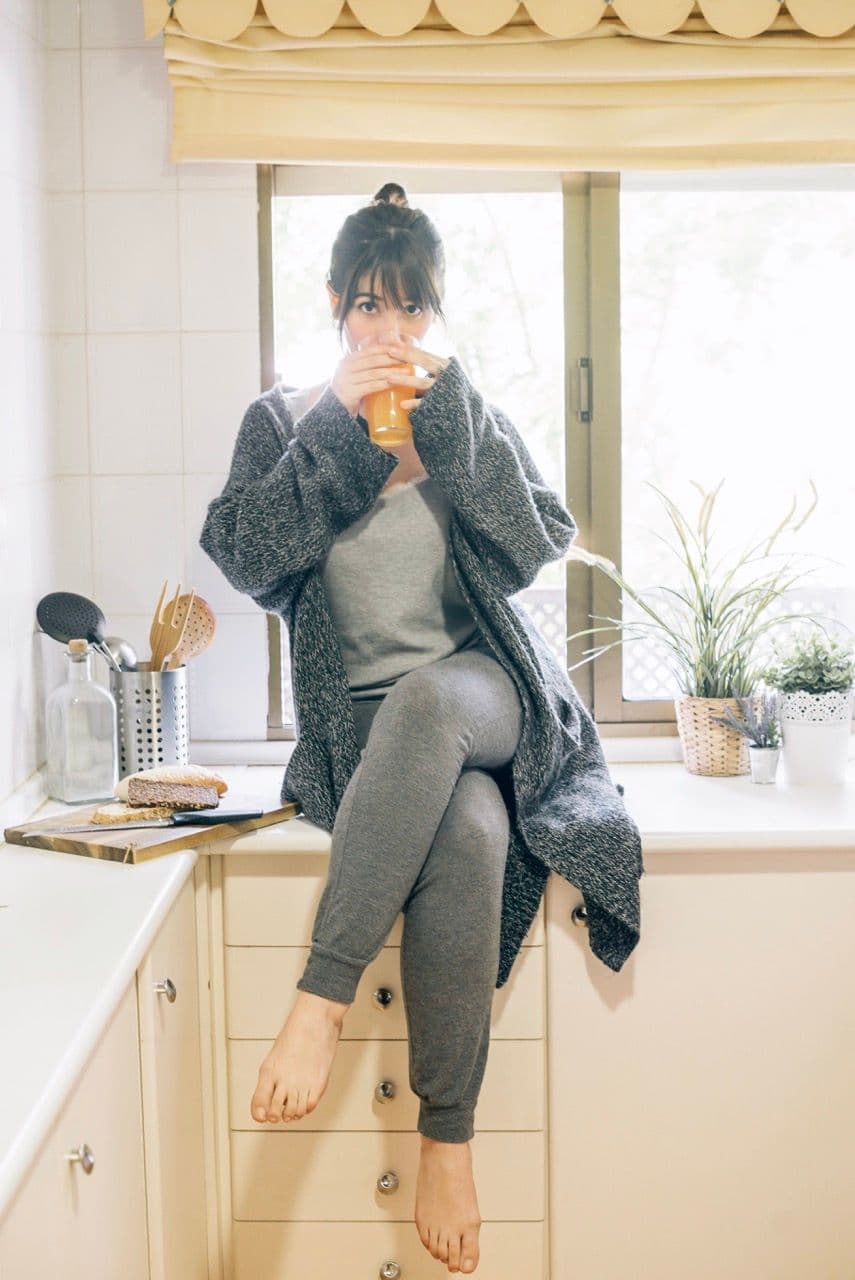
That’s why you’ll almost always find a shoe rack, cabinet, or designated spot right by the door. Guests are expected to remove their shoes and proceed in socks, barefoot, or with the indoor slippers (sil-nae-hwa) that many hosts kindly provide. It’s such an ingrained custom that most Koreans do it without thinking twice.
ㅤㅤㅤㅤ
By contrast, in many American homes, people often keep their shoes on indoors without a second thought. Floors are frequently carpeted or tiled differently, and the practice of removing shoes isn’t as widespread or expected. Some U.S. households do request that guests take off shoes—especially if they have light-colored carpets, small children who crawl, or simply prefer cleaner floors—but it’s usually a personal preference rather than a universal rule. For many Americans, wearing shoes inside feels convenient and perfectly normal.
This difference can lead to some charming (or slightly awkward) cross-cultural moments. American visitors to Korean or Korean-American homes sometimes step inside with shoes on, only to receive a polite but surprised look from the host. They might feel a bit embarrassed or confused because it’s not something they grew up doing. On the other hand, Koreans visiting American homes can feel a little uneasy seeing shoes worn indoors, quietly wondering about the cleanliness or whether it’s okay to mention the custom.
ㅤㅤㅤㅤ
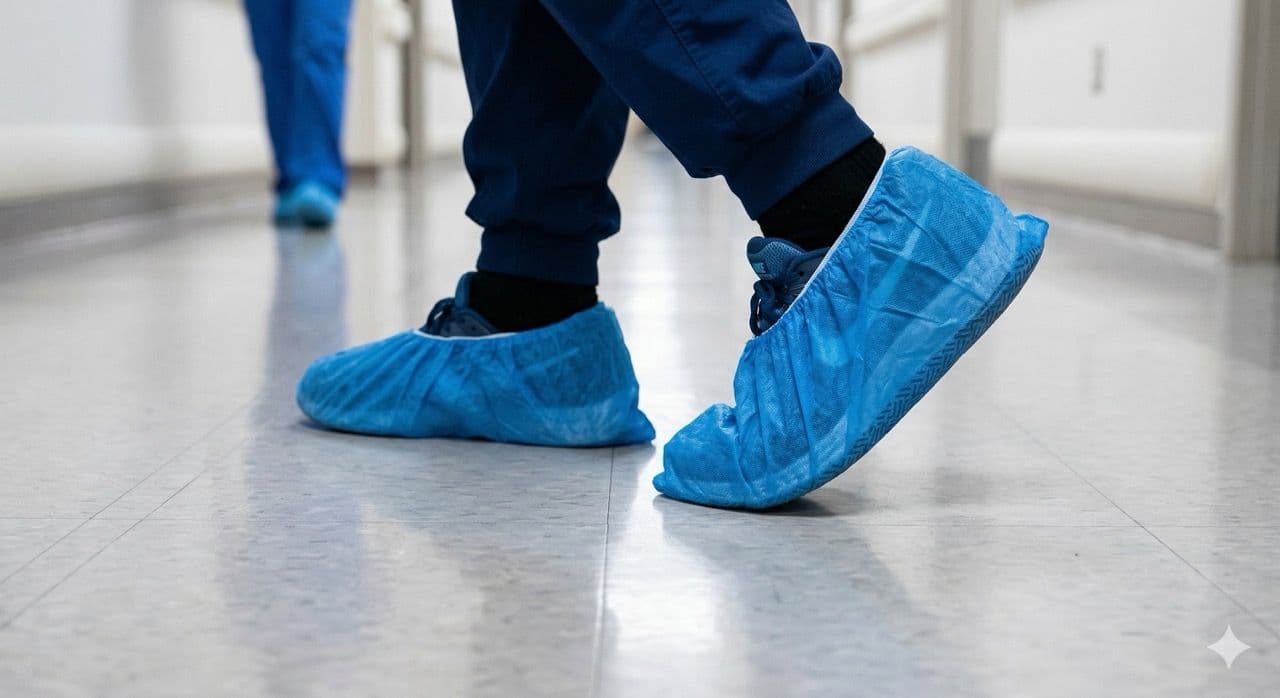
In areas of the U.S. with sizable Asian communities (including Korean, Japanese, Chinese, and others), a practical compromise has become common: disposable shoe covers. These are the thin, blue or clear plastic or non-woven booties that visitors—such as plumbers, repair technicians, real estate agents, or even friends—slip over their shoes before entering. The homeowner often keeps a box by the door, making it easy for guests to respect the no-shoes rule without fully removing footwear.
It’s a simple, thoughtful solution that bridges the two cultures beautifully. Everyone stays comfortable, and mutual respect is maintained.
At its core, this small custom reflects deeper values. In Korea, it’s about separating the public from the private, showing consideration for shared spaces, and creating a sense of calm at home. In many American households, comfort and practicality often come first. Neither approach is superior—they’re simply different ways of making a house feel like home.
So, if you’re ever invited to a Korean or Korean-American friend’s place, a quick shoes-off at the door is usually the way to go. And if you’re hosting someone from a different background, a gentle, friendly reminder can turn a potential moment of confusion into a warm cultural exchange.
ㅤㅤㅤㅤㅤㅤ
What about you? Do you remove shoes indoors? Have you ever had a funny or eye-opening experience with this custom? Feel free to share in the comments—I’d love to hear your stories!
ㅤㅤㅤㅤㅤㅤ
ㅤㅤㅤㅤ
#KoreanCulture #ShoesOff #CulturalDifferences #KoreaVsUSA #AsianTraditions #NoShoesIndoors #HomeEtiquette #CrossCultural #RespectAtHome