
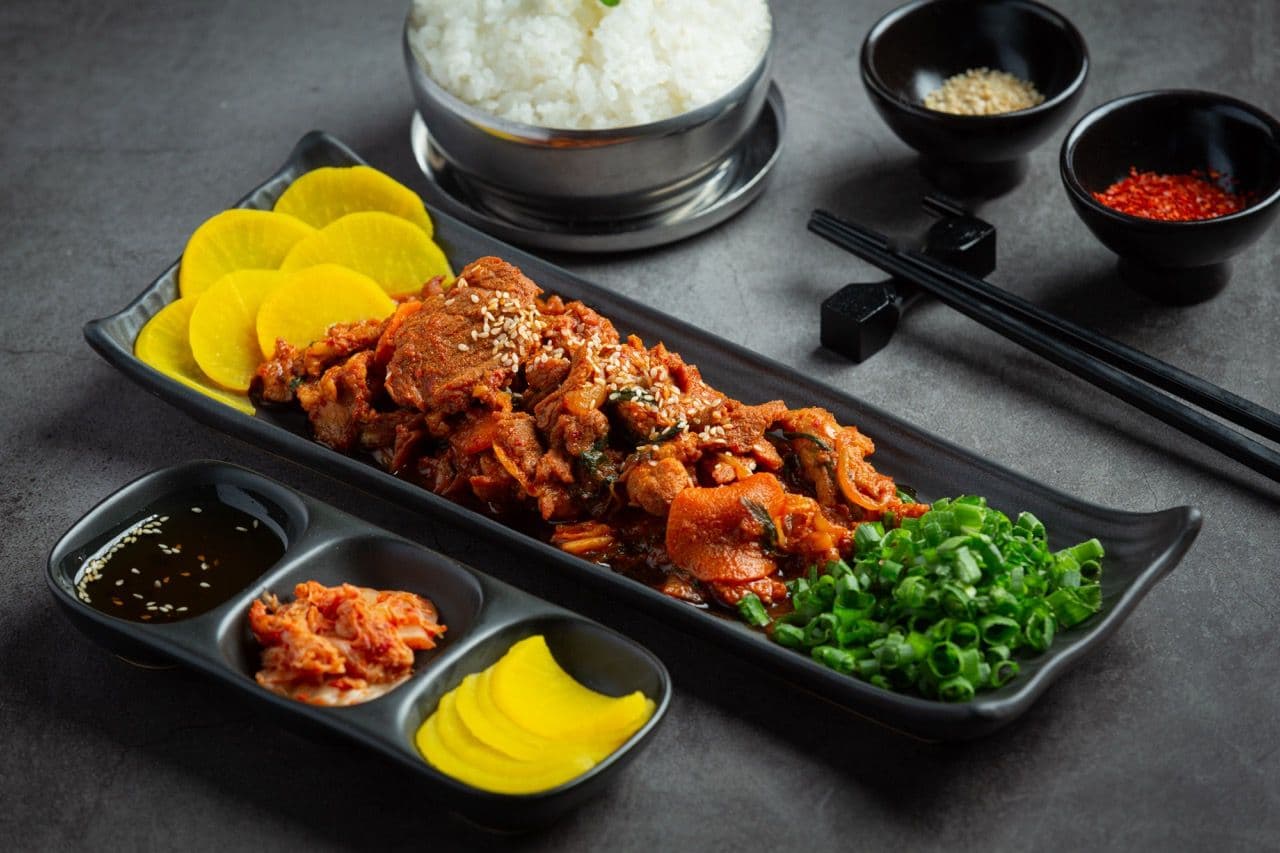
Have you ever paused to ask yourself, “Korean food – how far have you tried it?” Whether you are just beginning your journey or already a passionate explorer, Korean cuisine offers layer after layer of delightful discoveries. From comforting home-style meals shared around the table to bold street snacks that burst with flavor, every bite tells a story of tradition, innovation, and warmth. While trendy imports like malatang or Vietnamese pho have become popular in Korea itself, today we focus purely on authentic Korean flavors and the exciting ways they have traveled across the ocean to inspire fusion creations in the United States.
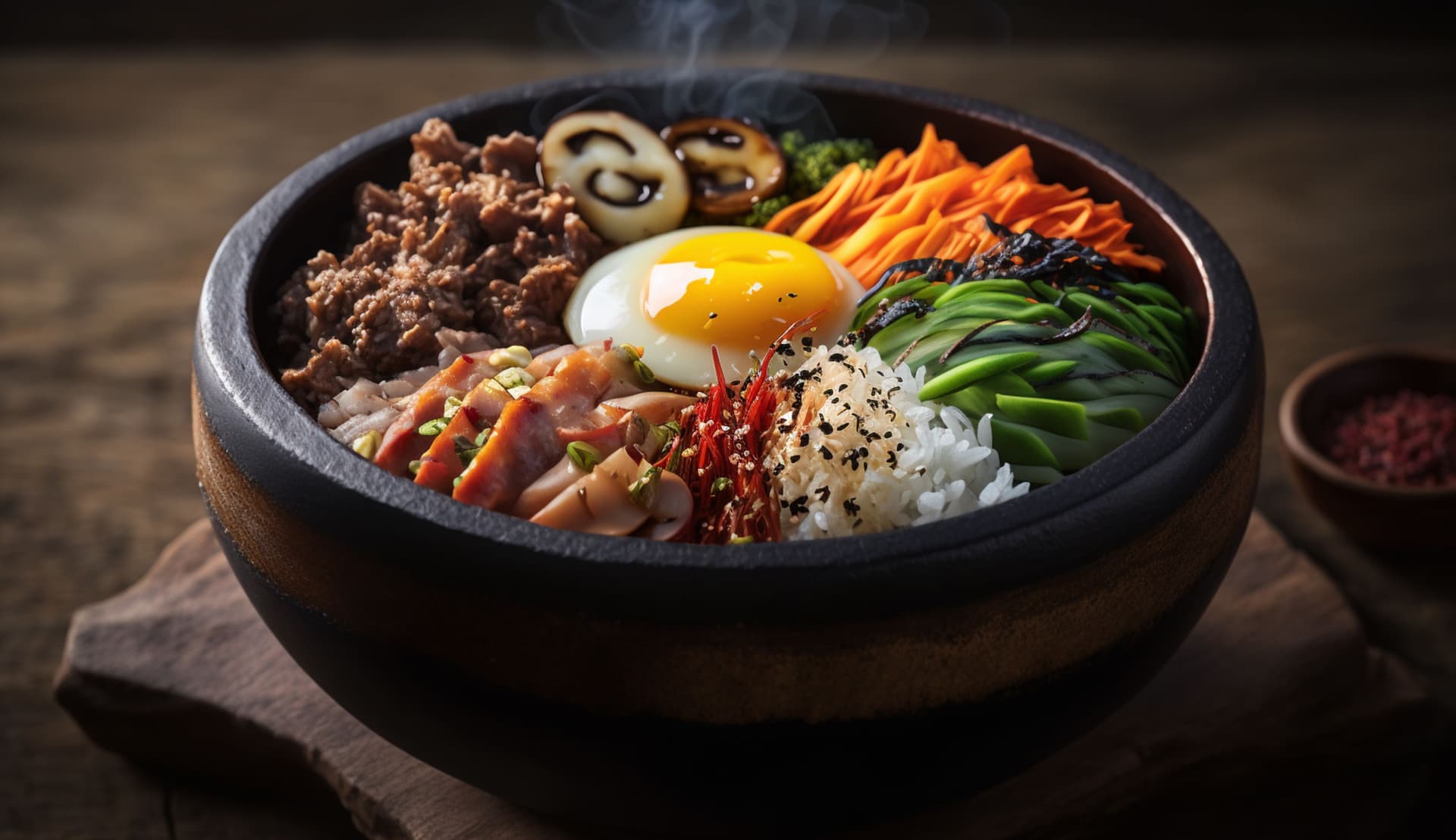
(Easy One-Pot Bibimbap with Beef & Gochujang: Korean Rice Bowl Recipe)
ㅤㅤ
Let us start with the essentials – the dishes that welcome almost everyone into Korean cuisine. Many people’s first encounter is with kimchi, the tangy, spicy fermented cabbage that appears at every Korean table. Its bright red color and complex umami come from gochugaru and a slow fermentation process that develops over weeks. Next comes bibimbap, a colorful mixed-rice bowl piled high with sautéed vegetables, shiitake mushrooms, bean sprouts, and a perfectly fried egg on top. A spoonful of gochujang ties everything together in a harmonious, satisfying bite. And of course, there is Korean barbecue – the interactive joy of grilling marinated bulgogi or galbi right at your table while banchan (side dishes) keep arriving. These foundational flavors are inviting, balanced, and surprisingly easy to love.
Once you feel comfortable with the basics, it is time to step into the lively world of Korean street food. One dish that captures the heart of Seoul’s night markets is tteokbokki – chewy rice cakes swimming in a sweet-spicy gochujang sauce, often shared with fish cakes and boiled eggs. The sauce clings perfectly to each cylinder of tteok, delivering just the right balance of heat and comfort. Pair it with crispy Korean fried chicken (yangnyeom dak) or warm, sweet hotteok pancakes filled with brown sugar and nuts, and you will understand why these snacks have loyal fans around the world. The energy of a bustling street stall somehow travels through every bite.
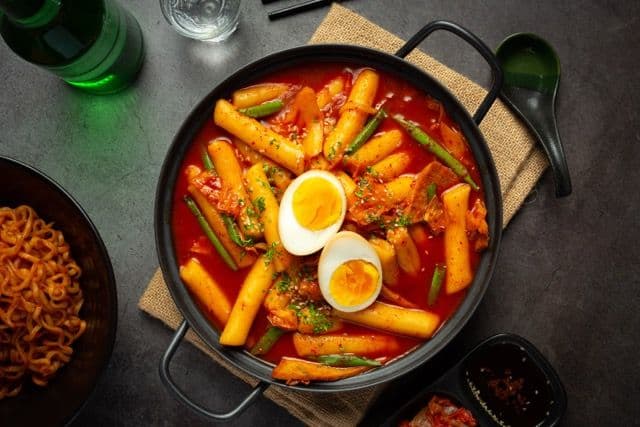
Tteokbokki Recipe (Korean Sweet & Spicy Rice Cakes)
ㅤㅤ
For those ready to go deeper, Korean cuisine offers truly adventurous experiences. Have you tried sannakji, fresh octopus tentacles that are still moving on the plate? Or sundae, a blood sausage stuffed with glass noodles, barley, and vegetables? These dishes may sound bold, yet they are beloved traditions that reward the curious eater with rich textures and deep flavors. Regional specialties add even more variety: icy naengmyeon noodles for sweltering summer days, nourishing samgyetang (ginseng chicken soup) when you need strength, or Jeju Island’s famous black pork. Fermented rice wine called makgeolli, slightly sweet and milky, is the perfect companion to any of these meals and offers a gentle cultural immersion all its own.
Korean food does not stop at Korea’s borders. In the United States it has blossomed into creative fusions that have changed the way many Americans think about Asian dining. A shining example is Momofuku, the restaurant empire created by chef David Chang. Born to Korean parents, Chang grew up loving his mother’s home cooking yet chose to celebrate it through modern, boundary-pushing dishes. His famous bo ssam – slow-roasted pork shoulder served with crisp lettuce wraps, rice, and plenty of kimchi and ssamjang – turned a humble Korean family meal into a restaurant sensation. The steamed pork buns, glossy with hoisin and crowned with scallions and cucumber, became an instant classic that introduced thousands of diners to the joy of Korean-inspired flavors in a new context. Chang openly embraced the word “fusion,” explaining that dishes like his cold fried chicken or kimchi-laden creations draw directly from Korean roots while speaking a universal language of deliciousness. His restaurants helped prove that Korean elements could sit comfortably alongside fine-dining techniques and “haute stoner food” ideas, forever expanding the American palate.
Jeyuk Bokkeum - Fried Pork with Korean Style Sauce
ㅤㅤ
Compare that with another American success story: Roy Choi’s Kogi food truck in Los Angeles. Choi took Korean barbecue – bulgogi and kalbi – and wrapped it inside warm corn tortillas with kimchi slaw and spicy salsa, creating the Korean-Mexican taco that launched the entire gourmet food-truck movement. While Momofuku elevated Korean flavors to Michelin-level attention, Kogi brought them to the streets in an affordable, fun package. In contrast, traditional Korean restaurants in California’s Koreatowns (easy to find if you live in the Irvine or Los Angeles area) continue to serve pure, unchanged classics: bubbling sundubu jjigae, perfectly grilled samgyeopsal, and endless banchan. Together, these experiences show how Korean food can stay true to its origins while happily evolving to meet new audiences.
ㅤㅤ
So, Korean food – how far have you tried it? The answer is never final. Whether you are building your own banchan spread at home, ordering tteokbokki from a food stall, or discovering bo ssam at a fusion restaurant, every step forward brings new joy. If you live in California, the vibrant Koreatowns nearby make it wonderfully convenient to keep exploring. The next time you sit down to a Korean meal, ask yourself what you have not yet tasted – then take that delicious leap. Your taste buds will thank you.
ㅤㅤ
ㅤㅤ
#KoreanFood #KFood #Bibimbap #KoreanBBQ #Tteokbokki #FoodAdventure #SeoulEats
![[Busan Food Guide] The Most Adventurous Meal in Korea: Charcoal-Grilled Hagfish & Daesun Soju](/_next/image?url=https%3A%2F%2Fcdn.sanity.io%2Fimages%2Fmer6zj49%2Fproduction%2F04878006d3fc7b79a2a549c4a5d85774992548ad-920x715.png&w=3840&q=75)


